
International Gluten-Free
International Gluten Free


Our Favorite
Gluten-Free Recipes
Kitchen Inspiration
HOME / Favorite Recipes
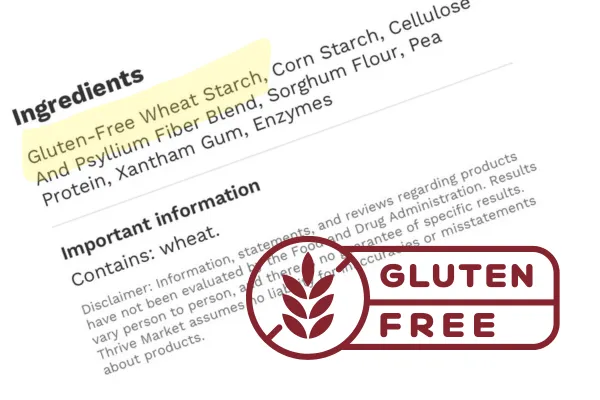
Gluten-Free Wheat Starch Explained
⬆️ Click play to watch our awesome explainer video ⬆️
Gluten-Free Wheat Starch Explained
Gluten-free wheat. That sounds like a contradiction, but it's actually a real ingredient found in certified gluten-free products. And if you have celiac disease or a wheat allergy, you need to understand the difference.
Gluten Proteins vs Starch
A wheat seed contains two things, proteins and starch. The proteins, glutenin and gliadin are what form gluten when mixed with water. The starch is separate; gluten only lives in the proteins, not the starch. That means it's physically possible to strip the gluten out and keep the starch. Through multiple washings and separation stages, manufacturers can remove the gluten protein from wheat starch entirely.
Gluten-Free Wheat Starch
The result is called gluten-free wheat starch or codex wheat starch, and it meets strict international safety standards for gluten-free foods.
Is It Celiac Safe?
Research consistently shows that it is safe for people with celiac disease. You'll find this in products like Caputo gluten-free pizza flour, certain Schar products.
Why Use Gluten-Free Wheat Starch?
It improves the texture, softness, and moisture in ways that other gluten-free flours or replacements cannot match.
Important: Gluten-Free Is Not Always Wheat-Free
But here's a critical distinction: gluten-free does not mean wheat-free. If you have an IgE mediated wheat allergy, gluten-free wheat starch is still off limits. Because even without gluten, the wheat proteins that trigger an allergic reaction may still be present.
If you have celiac disease or gluten intolerance, gluten-free wheat starch is safe. But for a wheat allergy, always check the label even on certified gluten-free products.
Gluten-Free Wheat Starch Explained
⬆️ Click play to watch our awesome explainer video ⬆️
Gluten-Free Wheat Starch Explained
Gluten-free wheat. That sounds like a contradiction, but it's actually a real ingredient found in certified gluten-free products. And if you have celiac disease or a wheat allergy, you need to understand the difference.
Gluten Proteins vs Starch
A wheat seed contains two things, proteins and starch. The proteins, glutenin and gliadin are what form gluten when mixed with water. The starch is separate; gluten only lives in the proteins, not the starch. That means it's physically possible to strip the gluten out and keep the starch. Through multiple washings and separation stages, manufacturers can remove the gluten protein from wheat starch entirely.
Gluten-Free Wheat Starch
The result is called gluten-free wheat starch or codex wheat starch, and it meets strict international safety standards for gluten-free foods.
Is It Celiac Safe?
Research consistently shows that it is safe for people with celiac disease. You'll find this in products like Caputo gluten-free pizza flour, certain Schar products.
Why Use Gluten-Free Wheat Starch?
It improves the texture, softness, and moisture in ways that other gluten-free flours or replacements cannot match.
Important: Gluten-Free Is Not Always Wheat-Free
But here's a critical distinction: gluten-free does not mean wheat-free. If you have an IgE mediated wheat allergy, gluten-free wheat starch is still off limits. Because even without gluten, the wheat proteins that trigger an allergic reaction may still be present.
If you have celiac disease or gluten intolerance, gluten-free wheat starch is safe. But for a wheat allergy, always check the label even on certified gluten-free products.
This doesn't have to be the end!
Follow us on your favorite platform and browse through our favorite resources.
Social Media:
Resources:
We’re on a mission to increase gluten-free resources, awareness, and knowledge around the world
Copyright International Gluten Free 2025 - All Rights Reserved